
Hotel water consumption: what each stay tells you
Understand your hotel's water consumption, compare periods and identify what needs investigating before committing to improvements.
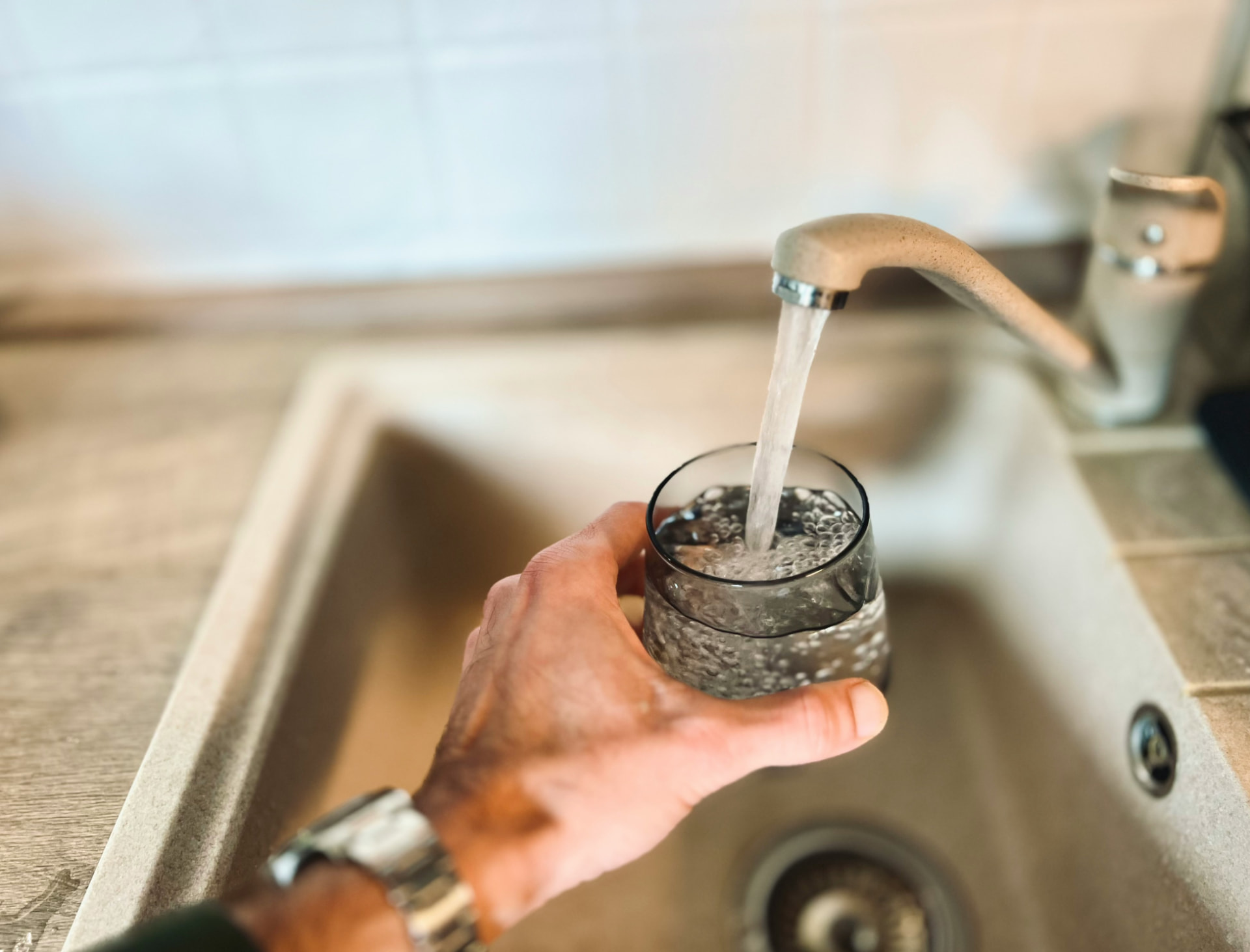
The water bill arrives and it is higher than expected. The first instinct is to look for a leak. There may be one, but there may also be more guests, an estimated reading being corrected or a longer billing period. Before requesting an intervention, answer one question: has consumption increased, or has the basis of comparison changed?
Hotel water consumption becomes useful for decisions when it is connected to activity. Here is a way to do that using bills and occupancy data, without mistaking a warning sign for a diagnosis. The aim is to give maintenance a specific question and then check what happened.
1. Look at cubic metres and dates before money
Separate the billed volume from the amount charged. Costs can change because of tariffs, standing charges or wastewater charges even when the hotel uses the same amount of water. Record the consumption start and end dates: bills issued in consecutive months do not necessarily cover the same number of days.
- Check which meter or supply each bill covers.
- Distinguish actual readings from estimates and avoid counting a corrected bill twice.
- Gather occupancy for the same consumption period, rather than the month you paid.
- Record changes such as a pool opening, an event or laundry moving on site.
2. Calculate water per guest night
For an initial internal view, divide the recorded litres by guest nights in the same period. One person staying three nights represents three guest nights; two people staying three nights represent six. Do not confuse this with occupied room nights: a double room may have one or two occupants.
Formula: litres per guest night = cubic metres in the period × 1,000 ÷ guest nights in the period. If there were no guests, this indicator cannot be calculated: review total consumption and the services that remained active during closure.
Illustrative example, not a customer case or a benchmark: a hotel records 900 m³ and 3,000 guest nights in one period, equivalent to 300 litres per guest night. In the next period it records 990 m³ and 3,600 guest nights: 275 litres per guest night. Total volume increased by 10%, while the indicator fell by approximately 8.3%. That calls for a different interpretation from “we are using water less efficiently”.
See how to compare hotel consumption using equivalent criteria
3. Add context: the meter covers more than showers
This ratio spreads all recorded water across the guests. It does not mean each person used that amount in their room. It may include kitchens, cleaning, irrigation, pools, laundry or a restaurant serving customers who are not staying at the hotel.
Keep the measurement boundary consistent. Outsourcing laundry may reduce water recorded on site without removing the consumption associated with the service. Record that change before attributing the reduction to improved efficiency. Do the same when you add another supply or change the facilities covered by a meter.
As an industry reference, the Hotel Water Measurement Initiative (HWMI) provides a methodology for measuring and communicating hotel water use, including an indicator per occupied room. The simple ratio in this article is an operational starting point; it does not, on its own, amount to applying the full methodology.
Explore the Hotel Water Measurement Initiative methodology
4. Turn a deviation into a specific investigation
If consumption rises while activity and services remain similar, check data quality first. Then compare dates with incidents, maintenance work and operational changes. An aggregated bill can flag an anomaly, but cannot locate a leak or identify the responsible equipment on its own.
- Assign an owner and write down the hypothesis you intend to check.
- Ask maintenance to compare the anomaly with available readings and inspect the relevant installations.
- Record the action and its date so the next analysis has a reference.
- Review subsequent periods with comparable activity before reporting a saving.
5. Start with a question you can answer
For your next review, bring together the bill, guest nights and a note on which services were open. Those three elements help distinguish increased activity from a deviation worth investigating. If data is missing, make that limitation visible; more decimal places do not make an incomplete figure better.
Noola starts with power, gas and water bills and the context of your hotel to identify opportunities and help you prioritise. Begin with the free analysis and the bills you have. Then use a fuller history to follow trends and decide which questions to take to your maintenance team.
Want to review your hotel's consumption with Noola?
Tell us which bills and occupancy data you have. We will help you turn them into a clear, prioritised first review.